
For the ones who served.
Now it’s your turn.
You held the line so others could sleep at night. You don’t have to keep paying the price alone. I’m a veteran myself — and I’ve built a practice for the ones still carrying what they brought home.
“I won’t ask you to talk about things you aren’t ready to talk about. I won’t hand you platitudes. I’ll meet you where you are — exactly where you are — and we’ll do the work together.”
— Brian Whitchurch, Veteran & Practitioner
What I Already Understand
You won’t have to explain these things from scratch. I’ve lived them.
Hypervigilance that won’t switch off
Sitting with your back to a door. Scanning carparks. Waking at every creak. I know what that’s like — and I know it can soften.
Moral injury and survivor’s guilt
The weight of what you saw, what you did, what you couldn’t stop. It doesn’t fit in a PTSD checklist — but it changes you.
Loss of identity and tribe
Out of uniform, the scaffolding falls away. Who are you now? Where do you belong? These are real questions, not weaknesses.
Anger that leaks into everything
Short fuse at home, flat affect at work, guilt at both. The nervous system runs on hot when it hasn’t been given permission to stand down.
The toll on your family
Your partner carries it too. Your kids feel it. You love them — and you don’t always know how to be present with them. That can change.
The quiet disconnection
You keep functioning. You keep showing up. But something feels missing, dulled, or numb. That’s your body telling you it’s time.
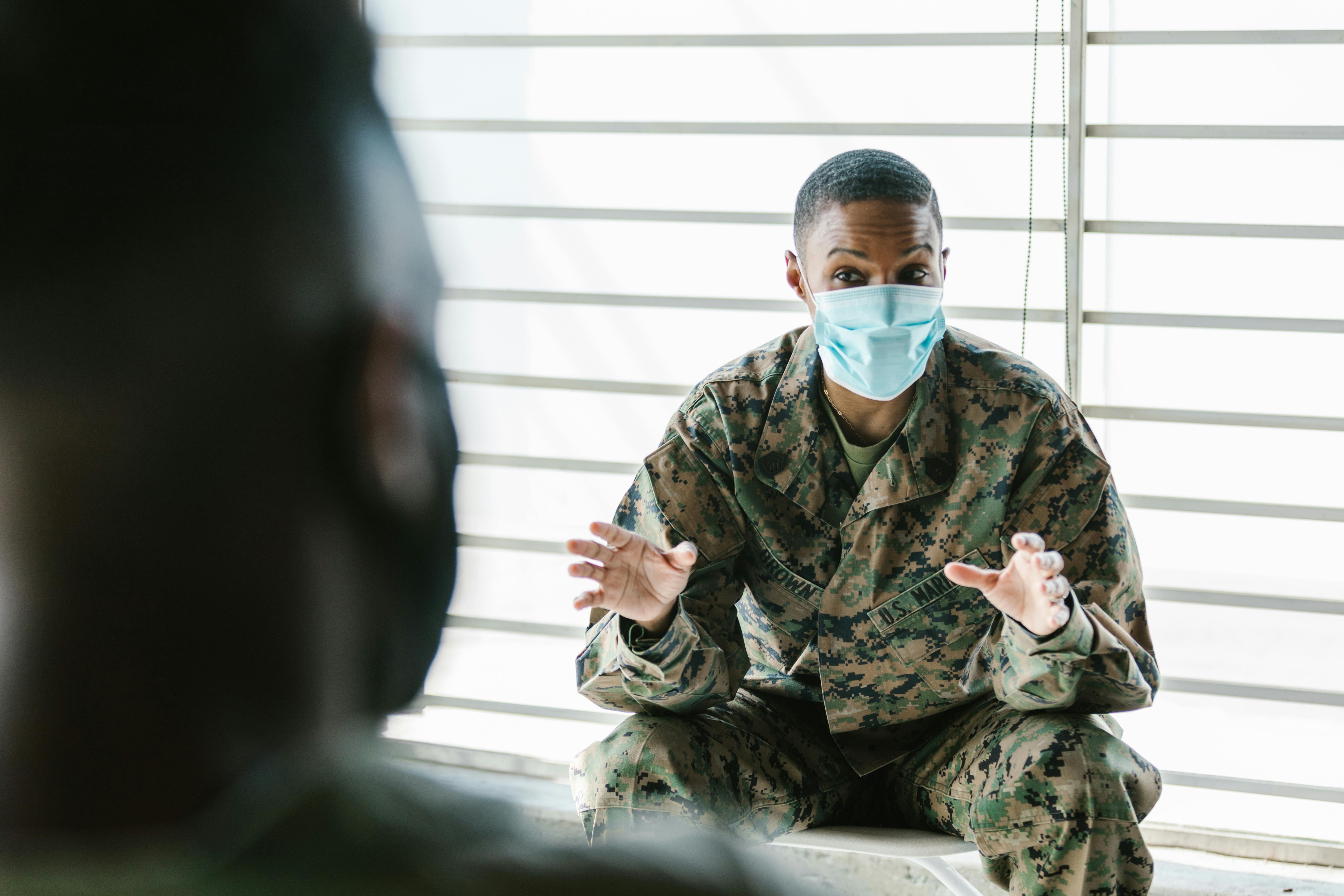
Why Work With Me
There are good clinicians out there who haven’t worn the uniform, and they can do real work. This is just what’s different about working with me:
- I served. I know the culture, the gallows humour, the mental armour, and what it costs to take it off.
- I’ve done the work myself — not just read about it. I speak from the other side of the wall.
- I won’t ask you to relive your worst days to get better. We use the body, the nervous system, and the subconscious to release the charge.
- I combine clinical tools (counselling, NLP, Time Line Therapy) with somatic and energetic work (TRE, Reiki, breathwork). Many veterans find the body-based tools work when talk alone hasn’t.
- You don’t have to be fully broken to come and see me. Prevention and maintenance count too.
How I Help — The Toolkit
I’m not a one-trick practitioner. I pull the right tool for where you are, and we adjust as you progress.
Funding & DVA Support
Cost shouldn’t be the reason you don’t get support. If you’re a veteran, reservist, or ex-service member, there are a few pathways worth exploring:
- DVA NLHC:Non-Liability Health Care covers mental health treatment for anyone with one day of continuous full-time service — regardless of whether your condition is service-related.
- Open Arms:Free, confidential 24/7 counselling and peer support for veterans and families — 1800 011 046.
- RSL Welfare:Your local RSL sub-branch may provide welfare funding for wellbeing services. Worth asking.
Note: Reach out and we’ll have an honest chat about what options apply to your situation. The free initial consultation is always free — no funding required to start.
Are You the Partner or Family of a Veteran?
You carry your own load. The hypervigilance, the walking on eggshells, the grief of watching someone you love struggle — it matters, and it deserves support. I work with partners and family members too. You don’t have to be “the problem” to get help.
Reach Out in ConfidenceOne conversation can change the trajectory.
No waiting rooms. No long intake forms. No judgement. Just a free 20-minute chat, vet to vet, to see whether I’m the right fit.
In immediate crisis? Call Lifeline 13 11 14 or Open Arms 1800 011 046 — both 24/7.